Why Am I Gaining Weight Even Though I Eat Healthy?(Women Over 35)
So you’ve been eating better and working out but you’re still gaining weight. WTF is up with that?
We’ve all seen the hormone and perimenopause reels and shared them with our girlfriends. We laugh, but the reality many women run into in their late 30s and 40s is sometimes just… rude.
“Welcome to Camp Quitcherbitchin. If you’re not a happy camper, take a hike.”
– my t-shirt
Ladies, the rules (and our bodies) may have changed, but we do not have to resign ourselves to feeling like a bunch of exhausted, frustrated, sorry-sad-sacks. It can help to first understand what is happening now, so you can create a plan.
What Changes After 35 That Leads to Weight Gain
Starting in your 30s, some things begin to shift, even if it’s unnoticeable at first.
#1: Muscle loss
Sarcopenia begins around age 30. This is when the body naturally starts to lose about 3-5% of its muscle mass per decade.
#2: Metabolic disruption
Your metabolism becomes less forgiving of inconsistency and the low-quality habits you could get away with when you were in your 20s.
#3: Sleep disturbances
Sleep quality can decline during periods of hormonal disruption, especially during perimenopause.
#4: Chronic stress
Stress hits differently in your 30’s and beyond. Long-term stress and higher cortisol exposure are associated with more abdominal fat storage in many women, which is one reason “I’m eating healthy but still gaining weight” becomes such a common complaint in this stage of life.
Individually, these might be able to be put off or ignored – at least for a while. But together these changes can affect how your body responds, or does not respond, to food and exercise.
I want to be clear. It’s not that your body is ‘broken’. It is that the feedback loop is more sensitive now. You have less ‘margin for error’ now and what you do consistently matters more.
The good news is that there are huge benefits to doing the basics well: adequate protein, strength training, prioritizing sleep and recovery. These are the pillars of my coaching practice.
Social media drives me batty. I love a good cat video but when I see a 23 year old SkinnyTok girl giving health advice I want to scream. A lot of what gets attention online has very little to do with what actually helps women feel strong, healthy, and vibrant long term.
Besides that, it can be a total mind-f*ck when you think you’re making good choices and they have no effect. Eating “healthy” is such a confusing term now.
Anyone can be an “influencer” and churn out inaccurate nonsense for clicks and likes. Big food corporations market to benefit their bank accounts instead of your health. And we all know the pharmaceutical companies are making BANK on women desperate for solutions.
It’s hard to know who to listen to.
If you’re struggling to lose weight, you may be considering GLP-1 medications as they’re basically being presented as the first go-to for women. If that’s you, please check out my article on GLP-1 meds and what you need to know.
Here’s what doesn’t change. There are a few fundamental habits that improve your health across the board, regardless of age, weight, or gender. And when it comes to weight loss, these are the ones that actually make a difference:
None of this is groundbreaking. That’s kind of the point.
1. Eating enough protein
Protein is important no matter your age, but with sarcopenia nipping at your heels, you need to focus on it more. Without enough of it, your body has a harder time holding onto muscle, feeling satisfied after meals, and supporting the repair and rebuild functions of your body.
Research in older women suggests higher protein intakes supports muscle mass and function, and the standard minimum recommendations are often too low.
You may not have given much thought to your muscle tissue until now, but it is a huge part of how you feel, function, and maintain your metabolism over time.
It’s a big deal.
2. Strength training
Another big one. This goes hand in hand with muscle. If your routine is mostly walking, cardio classes, or light weights, that isn’t enough stimulus.
A child can lift 10 pounds, darling.
To get that toned look you want and to avoid growing weaker and frailer with time, you have to challenge your body enough to keep and build muscle. Your body needs a reason to hold onto it, or it won’t.
Again, why do women with fat loss goals want muscle? Because it influences how you look, how you feel, and how much energy (calories) your body uses every single day.
If you’re in the Fishhawk area of Lithia, Florida, I wrote two blogs on the best gyms for you and personal trainers for women to help you get started.
3. Stress reduction and recovery
You can eat well and still feel like you’re dragging if your body is constantly under stress.
If you feel wired but tired, hold onto belly fat, have up-and-down energy, and start and stop routines, you may be maxed out on stress.
Stress does not just affect your emotions. It can change your appetite, energy regulation, sleep, and fat distribution. Chronic cortisol exposure is not the whole story, but it is one important piece of why stress can make weight loss feel harder. This is why sleep and stress recovery are two pillars of my coaching.
4. You’re under-eating, then overcompensating later.
This one sneaks up on a lot of women.
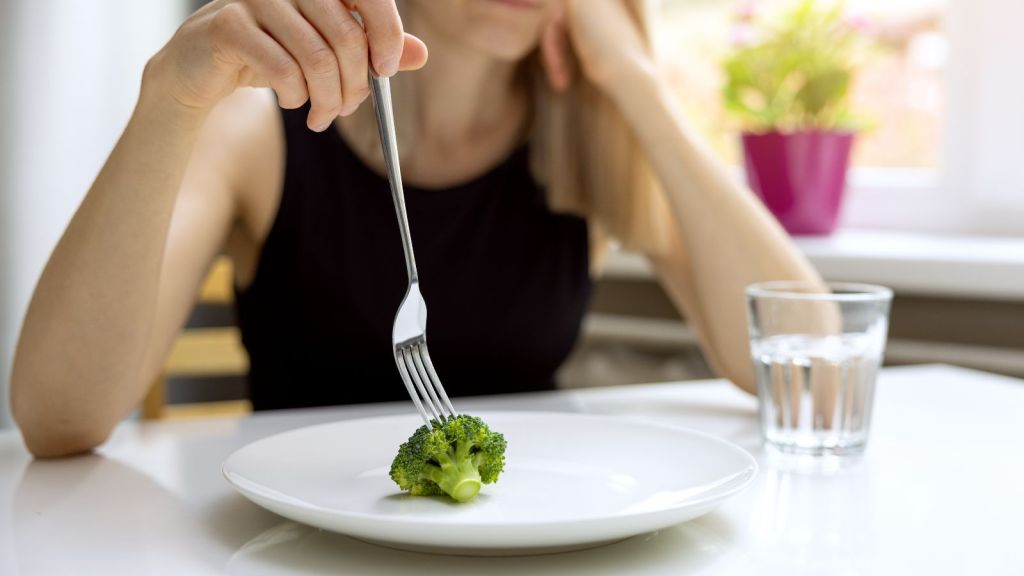
You think you are “being good.” You skip breakfast. You eat a tiny salad for lunch. Then the afternoon slump hits and suddenly you are standing in the pantry inhaling the highest-calorie food you can find.
The chips. The COOKIES (gotta read this in Cookie Monster’s voice).
Sure, discipline matters. But if I were coaching you, I would make sure your body was actually getting enough fuel before we talked discipline. In that situation, raiding the pantry is not just a willpower issue. It is often your body trying to catch up.
What Actually Works for Fat Loss After 35
Shift your efforts toward doing what has worked for the vast majority of humans everywhere.
Do:
Strength training (2–4x/week)
Eating enough protein consistently (aim for 1g per pound of lean body weight)
Eating regular meals so you’re never running on empty
Get 20-30g fiber every day
Making sleep and recovery a priority
Managing stress in realistic ways
Give up the alcohol, or at least reduce it.
Don’t:
Calorie restrict until you’re eating 1200 calories like a 2 yr old.
Long, intense cardio. Opt for short burst of high intensity or longer Zone 2.
Neglect sleep. Aim for 7-9 hrs every night.
Drink your calories: juice, alcoholic beverages, most sodas are calorie dense
Healthy, strong women avoid extremes, fad diets, and all-or-nothing thinking. We practice fundamental principles that have stood the test of time – and wedo it consistently.
How to Stop Gaining Weight and Start Seeing Results
When I first meet a client, I look at how you eat, sleep, and train, determine what obstacles have been getting in your way, and what your body actually needs right now. We build from there.
If you’re a DIY girlie and have solid information, you can piece this together yourself. Keep in mind that it’s a combination of nutrition, sleep, movement and recovery that tends to lead to work best over time when the goal is to be strong and full of life. Weight loss happens more easily when you take care of your whole self.
If you feel lost or just want some structure as you walk this journey, consider a coach.
When you understand what your body needs, everything starts to feel less frustrating and more doable. When you start doing those things consistently, your body will respond.
[…] daily. They’re curious. Some are seriously considering it and I get that. When you’ve been trying to lose weight and nothing seems to be working, something that promises faster results is going to get your […]
[…] sometimes an individualized approach works better, especially if you’re struggling to lose weight or just be consistent due to demands on your schedule and […]


 SilverQueen Coaching
Share Your Thoughts